
An AI-trained real estate virtual assistant is a remote operations specialist who pairs real estate workflow training (CRM hygiene, transaction coordination, listing syndication, lead nurture sequencing) with structured AI tooling for drafting, inbox triage, data entry, and quality assurance. A standard offshore VA typically executes manually assigned tasks with general administrative training, so speed, consistency, and error rates depend almost entirely on individual effort and your supervision. The practical gap shows up in speed-to-lead, follow-up discipline, documentation accuracy, and the number of hours the assistant returns to you each week.
Most agents already know that delegation drives growth. However, the real question is what kind of assistant you delegate to. If you want dedicated support built around AI-enabled real estate back-office operations, the training model behind the assistant matters as much as the hourly rate.
What is an AI-Trained Real Estate Virtual Assistant?
An AI-trained real estate virtual assistant is a remote team member who has been trained in two areas at once: real estate operations and applied AI tools. The assistant does not replace human judgment. Instead, the assistant uses AI to handle repetitive first drafts, data cleanup, and pattern checks, then applies human review before anything reaches a client.
Quick answer: An AI-trained real estate VA differs from a standard offshore VA in five ways:
- Training covers real estate workflows, not only general admin tasks.
- AI tools speed up drafting, research, and data entry.
- Documented checklists and QA steps reduce errors.
- Response times are faster and more consistent.
- Reporting is structured, so you can measure results.
Core skills of an AI-trained VA
- CRM management, tagging, and pipeline stage updates
- Lead follow-up drafting with agent-approved tone
- Transaction coordination from contract to close
- Listing content preparation and MLS data entry
- Inbox triage with priority labels
- Calendar and showing coordination
- Prompt writing, output review, and fact-checking
What the “AI-trained” label should actually mean
Some providers use the phrase as a marketing badge. Therefore, ask for proof. A credible program includes documented training modules, a tool stack list, review protocols, and clear rules on what the assistant may and may not automate.
Look for these signals:
- Written standard operating procedures (SOPs) for each task
- A defined human-in-the-loop review step
- A data handling policy for client information
- Training records or skill assessments
- A clear escalation path when the assistant is unsure
How a Standard Offshore VA Typically Works
A standard offshore VA is usually hired for general administrative support. Many are capable, hardworking professionals. Nevertheless, the standard model has structural limits that show up in real estate, where timing and accuracy carry real financial weight.
Where the standard model shows strain
- General training: The VA learns your business from scratch, often on your time.
- Manual execution: Every draft, entry, and update depends on one person typing.
- Supervision load: You review, correct, and re-explain, which erodes the savings.
- Inconsistent output: Quality changes with workload, fatigue, and turnover.
- Limited reporting: You often see tasks completed but not outcomes achieved.
The hidden cost of “cheap”
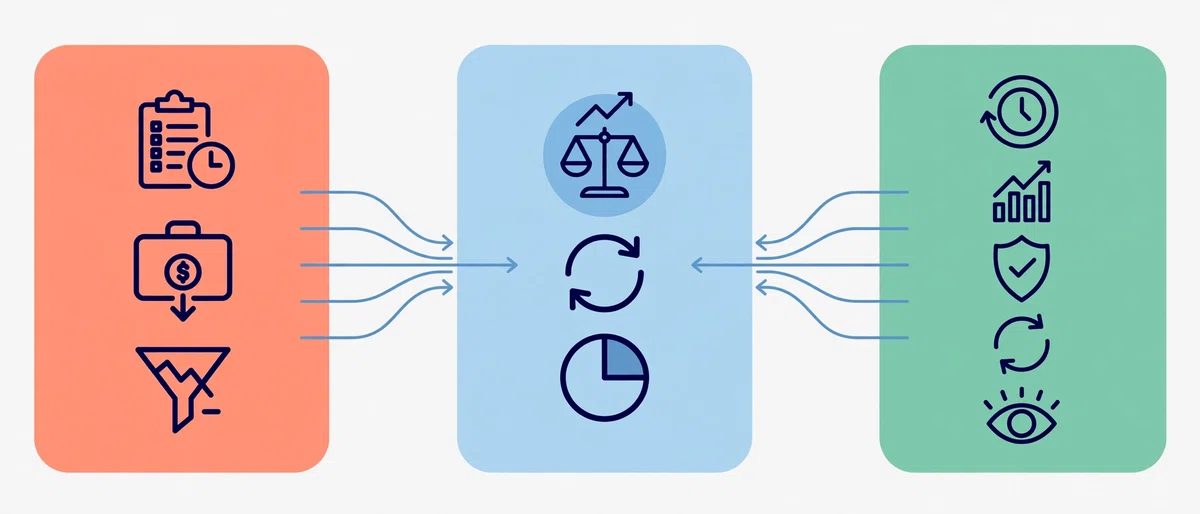
A low hourly rate can look attractive on paper. However, the true cost includes your onboarding hours, correction time, missed follow-ups, and replacement cycles. In addition, one lost lead from a slow reply can cost more than a month of assistant fees.
For a detailed breakdown of typical rates by service level, see this guide on what to pay a real estate virtual assistant at each tier.
When a standard offshore VA still makes sense
Fairness matters here. A standard VA can work well for:
- Simple, low-volume data entry
- One-time research projects
- Agents who enjoy hands-on coaching and have spare time to train
- Tasks with no client-facing risk
7 Key Differences Between an AI-Trained Real Estate VA and a Standard Offshore VA
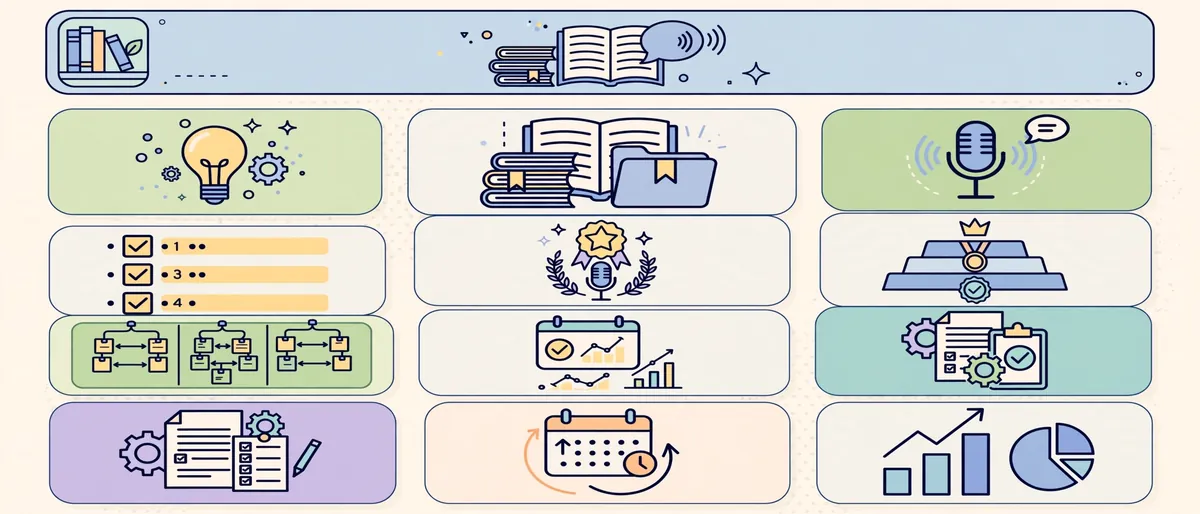
Below are the seven differences that matter most in daily practice. Each one affects your speed, accuracy, or peace of mind.
1. Training depth: real estate workflows versus generic admin
A standard VA often needs weeks to understand terms such as contingencies, earnest money, or pending versus under contract status. Meanwhile, an AI-trained real estate virtual assistant arrives with a working vocabulary and workflow map.
As a result, onboarding shrinks. You spend time on your preferences instead of teaching the basics.
2. Speed-to-lead and follow-up consistency
Leads cool quickly. Therefore, the first reply and the follow-up cadence matter enormously. AI tools help the assistant draft personalized responses in seconds, while human review keeps the message accurate and on brand.
A standard VA can match this on a good day. However, an AI-supported process holds the pace on busy days too.
3. Drafting quality and brand voice
An AI-trained VA builds a tone guide from your past emails and listings. Subsequently, the assistant uses that guide to draft messages that sound like you, not like a template.
Typical outputs include:
- Buyer and seller follow-up emails
- Open house recap messages
- Listing descriptions for review
- Social captions for agent approval
- Post-closing check-in notes
4. Data accuracy and error reduction
Data errors cause real damage: wrong dates, mismatched addresses, missing disclosures. An AI-trained assistant uses checklists and automated cross-checks to catch mistakes before they spread.
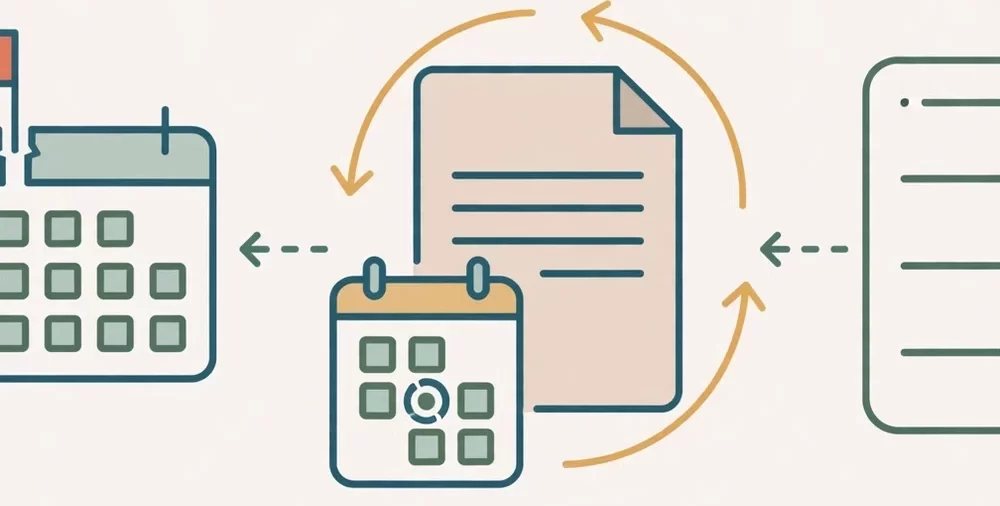
For example, the assistant can compare a contract’s key dates against the calendar, then flag gaps for review. Consequently, deadlines stop slipping through the cracks.
5. CRM discipline
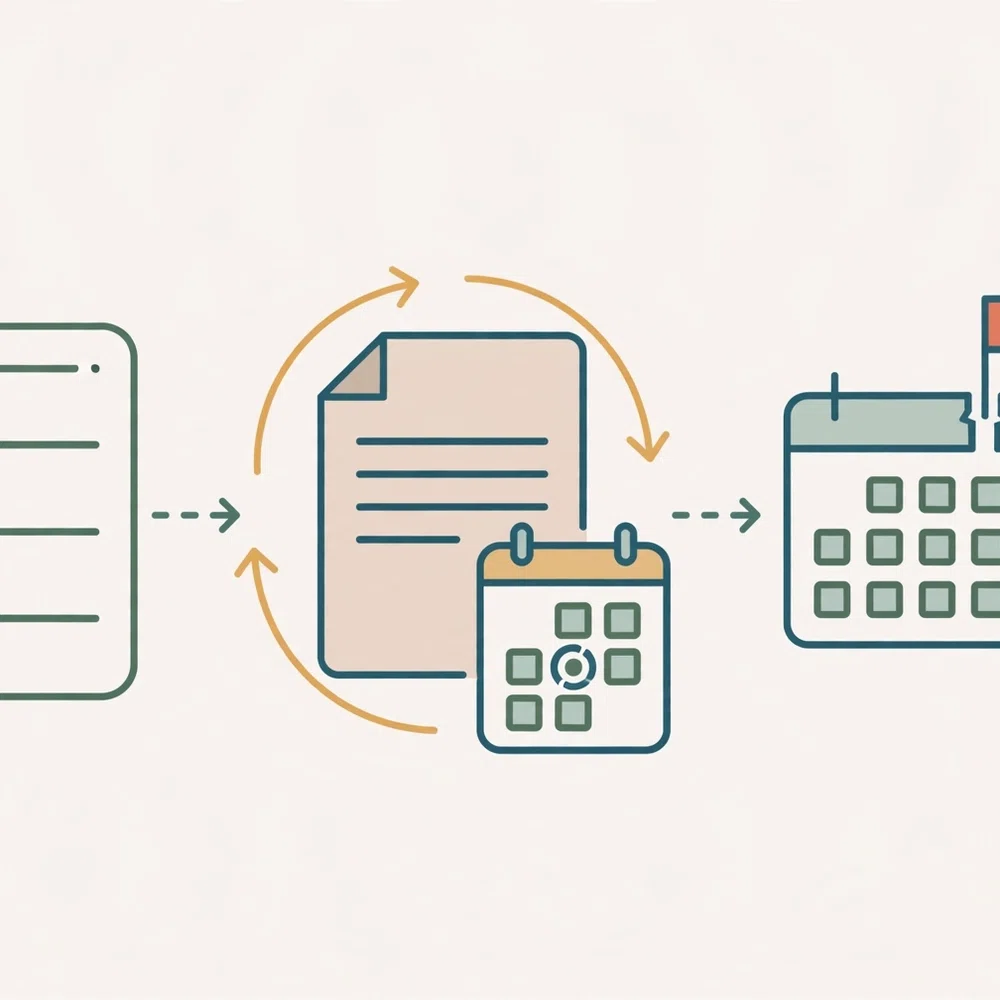
A CRM only helps when someone keeps it clean. An AI-trained assistant tags contacts, logs activity, updates stages, and schedules next actions with less manual effort. In practice, this is what stops good leads from going stale. You can see the full workflow in this walkthrough of how a VA keeps your CRM organized so no lead slips away.
6. Reporting and accountability
Standard VAs often report tasks. In contrast, an AI-trained VA reports outcomes such as response times, follow-ups completed, pipeline movement, and open items. Because AI tools log and summarize activity, weekly reports take minutes instead of hours.
7. Scalability
Your business will grow. When it does, a standard VA hits a ceiling quickly. An AI-trained assistant handles rising volume with the same process, which means you scale output without proportionally scaling headcount.

AI-Trained Real Estate VA vs Standard Offshore VA: Comparison Table
| Factor | Standard Offshore VA | AI-Trained Real Estate VA |
|---|---|---|
| Training focus | General administrative skills | Real estate workflows plus applied AI tools |
| Onboarding time | Long; you teach industry basics | Shorter; you teach preferences |
| Lead response speed | Depends on availability | Faster, with AI-assisted drafting |
| Follow-up consistency | Varies by workload | Structured cadences and reminders |
| Error control | Manual self-checking | Checklists, cross-checks, human review |
| CRM upkeep | Task-by-task updates | Systematic tagging, logging, and stage updates |
| Reporting | Task lists | Outcome-based weekly summaries |
| Supervision needed | High | Lower after setup |
| Scalability | Limited by one person’s hours | Process-driven, easier to scale |
| Best fit | Simple, low-risk tasks | Client-facing, time-sensitive operations |
How AI Training Changes the Daily Workflow
The difference becomes clear when you follow a normal day. Here is how the same tasks play out under each model.
| Daily Task | Standard Offshore VA | AI-Trained Real Estate VA |
|---|---|---|
| Morning inbox review | Reads and sorts manually | Triage labels applied, urgent items flagged first |
| New lead response | Writes each reply from scratch | Drafts from approved templates, personalizes, then reviews |
| CRM updates | Updates after the fact | Logs activity as it happens, sets next action |
| Showing coordination | Emails back and forth | Proposes slots, confirms, updates calendar |
| Transaction deadlines | Tracks in a spreadsheet | Cross-checks dates and sends reminders |
| Listing prep | Types details manually | Prepares first draft for agent review |
| End-of-day report | Short task list | Summary of outcomes and open items |
To see a full picture of routine tasks, read this breakdown of what a real estate virtual assistant handles each day.
Inbox management with AI support
Email overload slows every agent. An AI-trained assistant sorts messages by urgency, drafts replies for routine questions, and holds sensitive items for your review. For more detail, this article on how a VA takes control of an agent’s inbox explains the process step by step.
Practical insight: the 24-hour reply rule
Set one clear standard, such as replying to every new lead within a defined window. Then let the assistant own it. AI drafting removes the blank-page delay, while human review protects quality. As a result, the rule becomes achievable instead of aspirational.
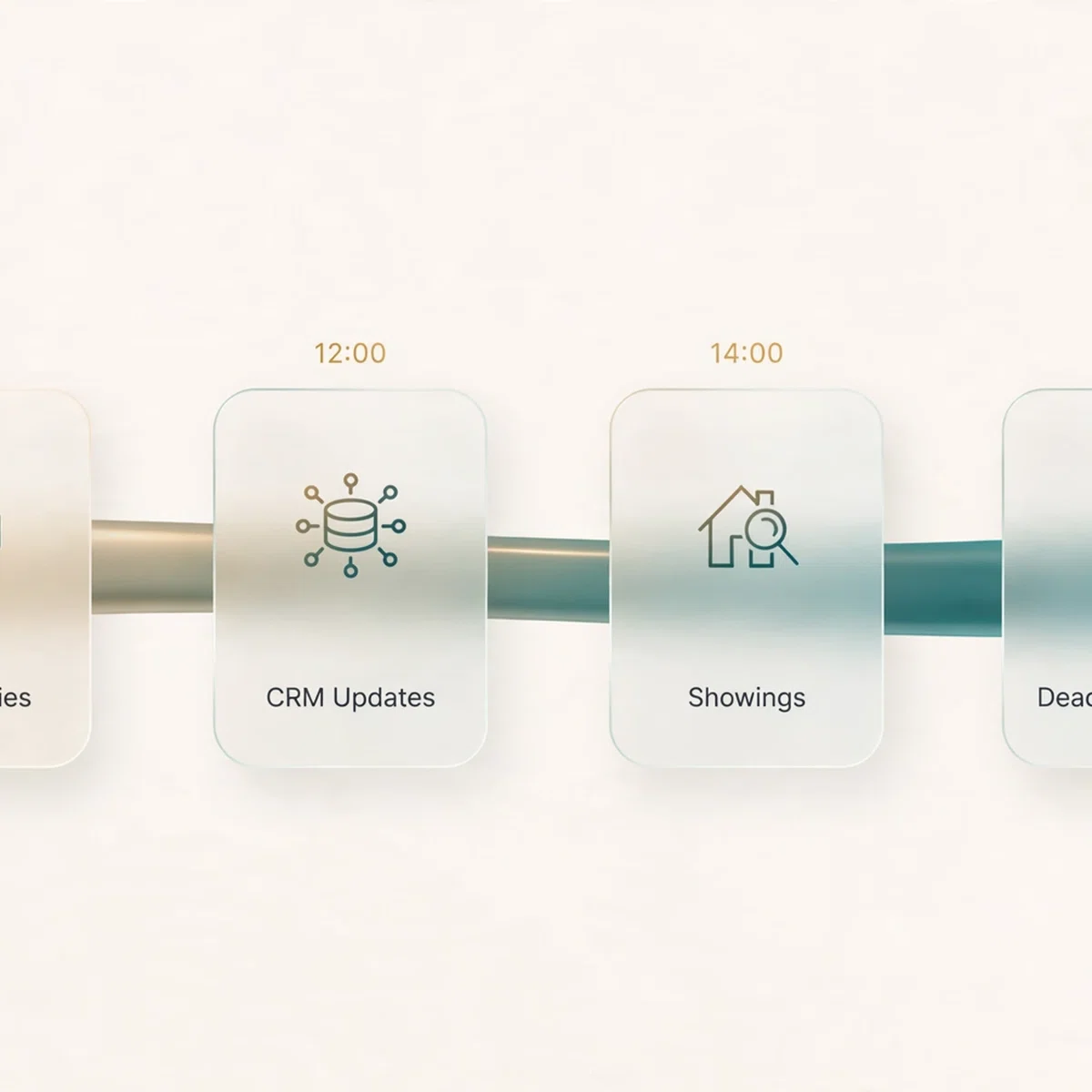
Visual 3: Workflow timeline
Image title: Daily Workflow of an AI-Trained Real Estate Virtual Assistant SEO filename: ai-trained-real-estate-virtual-assistant-daily-workflow.webp ALT text: Timeline of a daily workflow for an AI-trained real estate virtual assistant, from inbox triage to end-of-day reporting Caption: A typical day for an AI-trained real estate virtual assistant runs from inbox triage to outcome reporting. AI image prompt: Premium editorial horizontal timeline, 21:9 ratio, warm-white background, six milestone nodes (Inbox Triage, Lead Replies, CRM Updates, Showings, Deadline Checks, Daily Report), champagne to teal gradient line, small gold time labels, glassmorphism cards, Notion and Linear style minimalism, no stock photography.
Human Oversight: The Part AI Cannot Replace
AI speeds up work. It does not replace judgment. This point deserves emphasis because Google’s own guidance stresses people-first content and reliable expertise, and the same principle applies to client communication. The Google Search Central guidance on helpful, people-first content makes the case that quality and accountability outweigh raw volume.
Real estate carries the same stakes. Clients trust you with major financial decisions. Consequently, every AI-assisted output needs a human check.
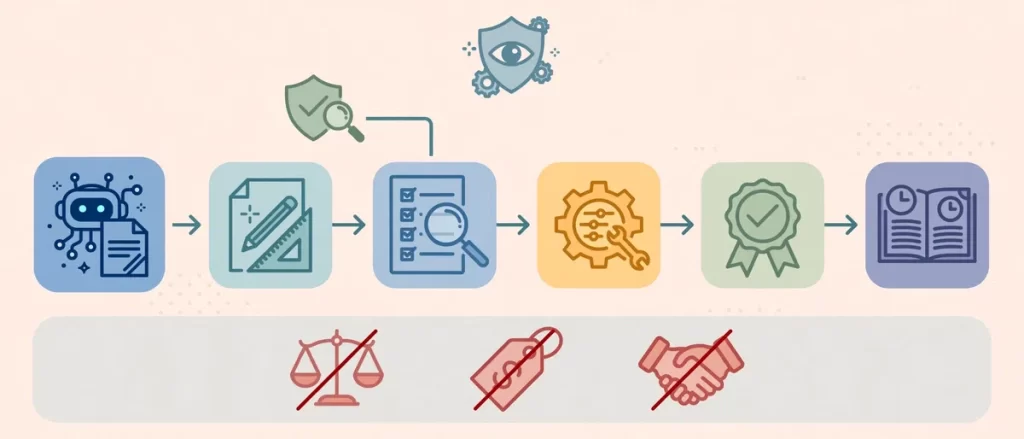
A sound review model
- Draft: The assistant uses AI to prepare a first version.
- Verify: The assistant checks facts, names, dates, and figures against source documents.
- Adjust: The assistant edits tone and removes anything generic.
- Approve: You or a designated reviewer signs off on client-facing items.
- Log: The assistant records the final version and any lessons learned.
What the assistant should never automate alone
- Legal or contract interpretation
- Pricing advice or valuation opinions
- Fair housing sensitive language decisions
- Negotiation positions
- Anything that requires a licensed agent’s judgment
Keep those with the licensed professional. Meanwhile, delegate the preparation work around them.
Data Security and Compliance When AI Enters the Workflow
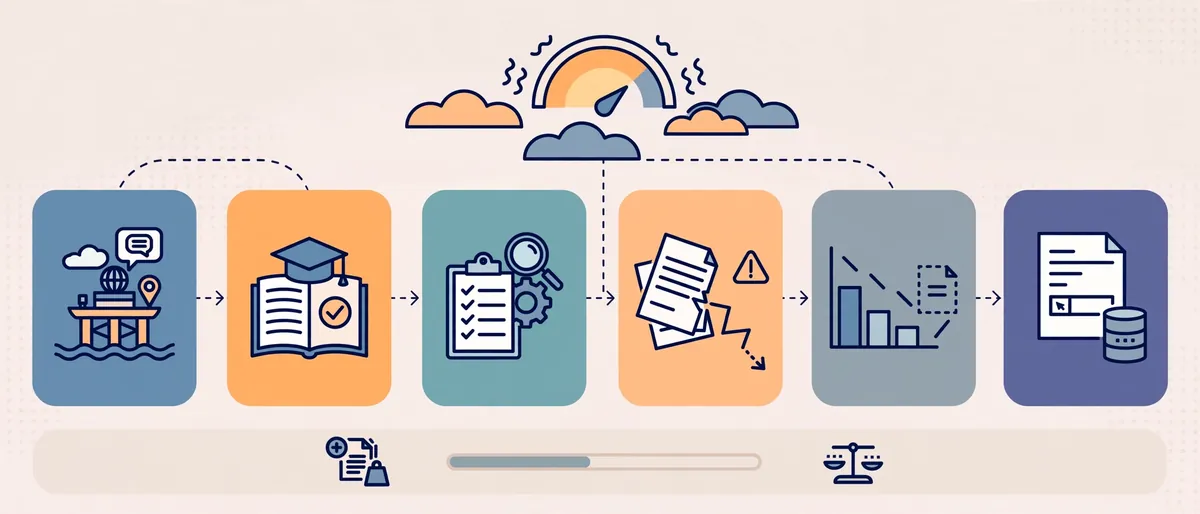
Client data is sensitive. Therefore, an AI-trained assistant must follow clear data handling rules. Ask any provider how they protect contact details, financial documents, and identity information.
The NIST AI Risk Management Framework offers a useful, widely recognized structure for thinking about AI risk, accountability, and governance. In addition, the Federal Trade Commission’s privacy and security guidance for businesses outlines practical steps for protecting customer information.
Security questions to ask before you hire
- Which AI tools does the assistant use, and who approves them?
- Is client data ever pasted into public AI tools?
- How does the team control access to your CRM and email?
- What happens to your data when the engagement ends?
- Does the provider sign a confidentiality agreement?
Red flags
- No written data policy
- Shared logins across multiple clients
- Vague answers about which tools touch your data
- No offboarding process for access removal
Cost and Value: Is an AI-Trained Assistant Worth It?
An AI-trained assistant may cost more per hour than a basic VA. However, the better measure is cost per completed, correct outcome. Fewer errors, faster replies, and lighter supervision often offset the higher rate.

How to calculate the real return
Use this simple formula:
- Estimate the hours you currently spend on admin each week.
- Multiply by the value of your selling hour.
- Add the cost of leads lost to slow follow-up.
- Subtract the assistant’s total monthly cost.
- Compare the result against your current setup.
Value drivers to weigh
- Hours returned to income-producing activity
- Lead conversion lift from faster follow-up
- Fewer transaction errors and fewer delays
- Lower turnover and re-training cost
- Better visibility through reporting
For current pricing structures, review this breakdown of real estate VA costs across service levels before you compare quotes. Note that this article links to the same resource only because cost is the most common decision factor; the guide covers every tier in depth.
How to Hire an AI-Trained Real Estate Virtual Assistant: Step-by-Step
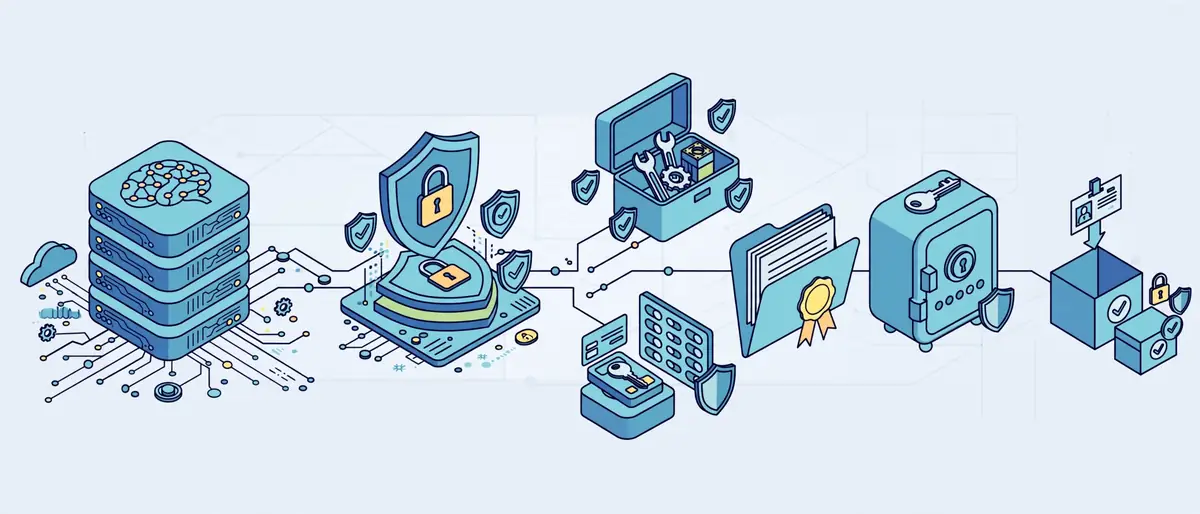
Hiring well takes a clear process. Follow these steps to reduce risk and speed up results.
- Define your goals. List the three outcomes you want most, such as faster lead response or cleaner transaction files.
- Document your tasks. Write down recurring tasks and rank them by time cost.
- Set your standards. Decide on response times, tone, and approval rules.
- Vet the training. Ask for proof of real estate and AI tool training.
- Run a paid trial. Assign a real task set and measure the output.
- Check security practices. Confirm data handling and access controls.
- Onboard with SOPs. Share checklists, templates, and examples.
- Review weekly. Track outcomes and adjust the workflow.
A full walkthrough of the hiring process is available in this guide on the step-by-step process for hiring a real estate assistant.
Questions that reveal quality fast
- “Show me a sample weekly report.”
- “Walk me through your review process for AI-drafted emails.”
- “How do you handle a lead who replies at midnight?”
- “What does your first 30 days look like?”
- “Which tasks do you refuse to automate?”
Strong candidates answer with specifics. Weak candidates answer with buzzwords.
Common Mistakes When Choosing Between the Two Models
Even smart agents stumble here. Avoid these common errors.
- Choosing on hourly rate alone. A cheap rate hides training and correction costs.
- Trusting the label. “AI-trained” means little without documented training and review steps.
- Skipping the trial. A short paid trial exposes problems early.
- Automating too much. Over-automation produces generic messages that clients ignore.
- Ignoring data security. One careless paste into a public tool can create a serious problem.
- Giving vague instructions. Even the best assistant needs clear standards.
- Never measuring results. Without metrics, you cannot tell if the setup works.
Expert Tips to Get the Most From Your AI-Trained Assistant

These tips come from patterns that consistently separate strong setups from weak ones.
- Start with three tasks. Master a small set before you expand.
- Build a voice guide. Share five of your best emails and three listing descriptions.
- Create approval tiers. Let routine items go out after review, and hold sensitive items for you.
- Use a shared task board. Visibility prevents duplicate work.
- Hold a 15-minute weekly check-in. Short, regular reviews beat long, rare ones.
- Track two or three metrics. Response time, follow-ups completed, and pipeline movement work well.
- Update your SOPs monthly. Processes improve when you write down what you learn.
Practical insight: template libraries save the most time
Ask the assistant to build a library of approved templates for common situations. Examples include new lead replies, showing confirmations, offer updates, and post-closing check-ins. Subsequently, AI drafting personalizes each one, and your review time drops sharply.
Which Option Fits Your Business?
Your best choice depends on volume, risk, and growth plans.
Choose a standard offshore VA if:
- Your workload is small and predictable
- Tasks carry little client-facing risk
- You have time to train and supervise closely

Choose an AI-trained real estate virtual assistant if:
- You handle steady lead flow and active transactions
- Speed and accuracy affect your income
- You want measurable reporting
- You plan to scale without adding management overhead
A note on marketing-focused roles
Some agents want help with content and social channels. In that case, compare the options carefully, because a marketing-focused assistant and a social media manager solve different problems. The comparison of a real estate marketing assistant versus a social media manager can help you choose the right role first, then decide on the training model.
Frequently Asked Questions About the AI-Trained Real Estate Virtual Assistant
What is an AI-trained real estate virtual assistant?
An AI-trained real estate virtual assistant is a remote professional trained in real estate workflows and in applied AI tools. The assistant uses AI to draft, organize, and check work, then applies human review before delivery. The result is faster, more consistent support for agents and teams.
How is an AI-trained real estate VA different from a standard offshore VA?
The main differences are training depth, speed, accuracy controls, and reporting. A standard offshore VA usually has general administrative training and works manually. An AI-trained assistant follows real estate SOPs, uses AI tools with review steps, and reports outcomes instead of only tasks.
Does an AI-trained VA replace human judgment?
No. AI handles repetitive drafting and data checks, while the assistant and the licensed agent handle judgment calls. Legal interpretation, pricing advice, and negotiation strategy stay with qualified people.
Is an AI-trained real estate virtual assistant more expensive?
The hourly rate may be higher. However, the total cost often balances out through fewer errors, faster follow-up, and lower supervision needs. Compare cost per completed outcome instead of hourly rate alone.
What tasks can an AI-trained real estate VA handle?
Common tasks include CRM management, lead follow-up drafting, inbox triage, transaction coordination, showing scheduling, listing preparation, and reporting. Many agents also delegate research and document organization.
Is client data safe with an AI-trained assistant?
It can be, if the provider follows strict data policies. Ask about approved tools, access controls, confidentiality agreements, and offboarding steps before you hire.
How long does onboarding take?
Onboarding is typically shorter than with a standard VA because the assistant already understands real estate terms and workflows. You still need to share your preferences, templates, and voice guide, which usually takes a focused first few weeks.
Conclusion: Choose the Assistant Model That Protects Your Time and Your Leads
The gap between the two models comes down to training, process, and accountability. A standard offshore VA can handle simple, low-risk work. However, an AI-trained real estate virtual assistant brings real estate knowledge, faster drafting, structured quality checks, and outcome-based reporting to the tasks that shape your income.

If speed-to-lead, clean transactions, and scalable support matter to your business, the choice is clear. Start with a small task set, measure results, and expand from there.
Ready to reclaim your hours and stop losing leads to slow follow-up? Hire a trained real estate assistant who delivers measurable results and put your time back into closing deals.